How Fog Harvesting Works: Could Britain Collect Water from Mist?
Fog nets can pull drinking water out of thin air, but does damp Britain have anything to gain? How the...

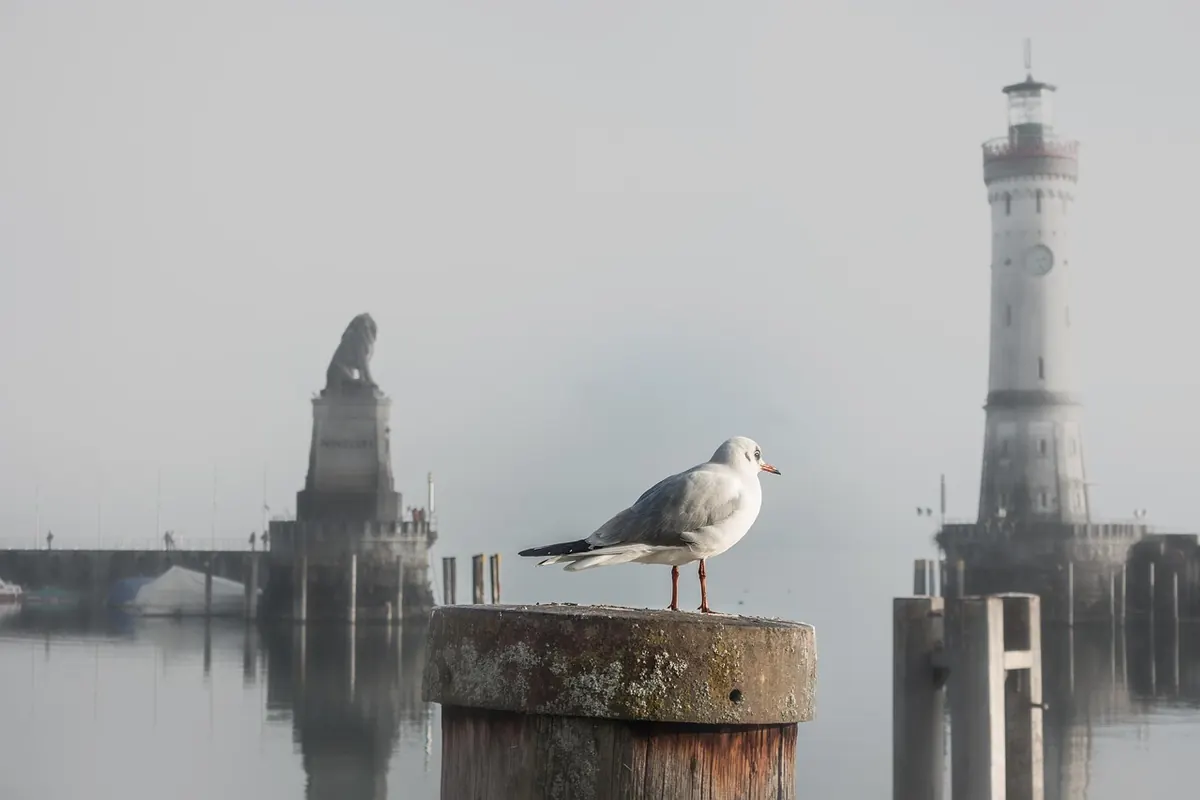
Haar is one of the British Isles' most distinctive weather tricks: a cold grey blanket that rolls in off a flat-calm sea on an otherwise bright June afternoon, swallows a coastal town whole, then vanishes again a few miles inland. Aberdeenshire, Fife, Northumberland, Norfolk and the Channel coast all know it well. It belongs to the family of fogs that form over water rather than land, and it has a season — a fairly predictable one, once you know what you're looking for.
Here's how sea fog works, and when to expect it around the UK and Ireland.
Sea fog needs two ingredients. First, a sea surface colder than the air drifting over it. Mild, moist air moving across a chilled sea cools from below until it can no longer hold its moisture, and droplets form. Second, a light wind — enough to spread the fog around, not enough to tear it apart. Fog is generally defined as visibility below 1,000 metres, and sea fog can cut it to a few dozen.
Britain's seas are coldest in late winter and early spring. Water has enormous thermal inertia, so while inland fields are warming fast in April and May, the North Sea is still sitting in single figures. The bigger the gap between air and water, the more likely the haar.
The first haar of the year usually arrives on the east coast. The North Sea is close to its annual minimum — often somewhere in the mid to high single figures — while the land behind it is starting to heat up. A gentle southeasterly brings mild air off the Continent across that cold water, and a fog bank forms offshore, often visible as a low white wall from the promenade.
Inland, the picture is completely different: spring sunshine and a pleasant 15°C. Coastal spots such as Aberdeen, Eyemouth, Bridlington and Great Yarmouth can be stuck at six or seven degrees under grey murk all afternoon. West coasts are usually spared in spring, because the Atlantic is milder and the air arriving from it is often a similar temperature.
These are the big months, especially on the North Sea coast. Long days, strong sunshine over the land and a still-cold sea create the perfect setup: sea breezes in the afternoon, warm air drawn off the land, and haar that creeps in with the evening or simply sits there from dawn to dusk.
Timing is often remarkably regular. Fog banks up offshore overnight, pushes in with the morning or evening sea breeze, and retreats a mile or two inland when the sun gets to work. Some days it never retreats at all. The temperature contrast can be startling: a town on the coast at 11°C while ten miles inland it's 24°C.
June is the cruellest month for this, because visitors arrive expecting sun. The Channel Islands and the south coast get their share too, usually with light south-westerly winds over cool Channel water.
By late summer the sea has warmed — broadly 16 to 18°C in the North Sea, warmer in the Channel and the south-west. Advection haar becomes less common on the east coast, though it can still appear when a cool, damp northeasterly arrives. What you notice instead is fog on calm nights and early mornings, when the land cools quickly and shallow fog forms near estuaries and low-lying coasts.
September is a transitional month. Warm, muggy air moving north over a sea that has already begun to cool can bring sea fog back around the Irish Sea, the Bristol Channel and the south-west approaches.
Sea fog is less common in winter, but it hasn't gone away. Mild, moist south-westerlies crossing a chilly Irish Sea can bring thick fog to west-facing coasts, and in very cold easterly outbreaks you sometimes get the opposite effect — sea smoke, where freezing air flows over relatively warm water and the sea appears to steam.
Inland, this is the season for radiation fog: clear, still nights, long darkness, and fog that pools in river valleys. It often drifts towards the coast on a light breeze and merges with any sea fog already there.
Fog is the one weather hazard that can catch drivers out within a few hundred metres, and coastal roads are the worst offenders because visibility can collapse the moment you pass a headland.
Forecasts won't always get haar right — it is one of the hardest things in British weather to pin down — but the pattern above should give you a fair idea of when to pack a jumper rather than sun cream.
Photo: 13156007 / Pixabay
Fog nets can pull drinking water out of thin air, but does damp Britain have anything to gain? How the...
Fog is predictable if you plan for it. A practical pre-trip checklist covering visibility forecasts,...
Why do London's autumn mornings turn misty? Clear nights, the Thames valley, urban particles and still air...